A new restaurant opens in town. The owner, eager to fill tables, does the instinctive thing. He buys a billboard, boosts a few posts, and runs a radio spot. The impressions climb. And yet, three months in, the dining room is still quiet on a Tuesday night.
Across town, a different spot is packed. It didn’t outspend anyone, but the restaurant earned a glowing write-up in the local paper, a feature on the chef, a steady stream of five-star reviews, and the kind of word of mouth that no budget can buy. People don’t just know it exists. They trust it.
That contrast sits at the heart of where hospitality marketing is heading. For years, visibility was a numbers game: more ads, more impressions, more reach. But impressions are rented while authority is owned. In a world where consumers and AI tools alike lean on trusted sources to decide where to eat, stay, and spend, authority has quietly become the more valuable long-term asset.
This is part three in our AI Search & Earned Media series. In the second part, we explored whether AI can recommend a brand no one is talking about. Now we get practical about why the smartest hospitality brands are shifting their energy from buying attention to earning it.
What Is Hospitality PR?
Hospitality public relations is the practice of building a brand’s reputation and visibility through earned attention rather than paid placement. It covers press coverage, chef and founder features, awards, reviews, expert commentary, partnerships, and the authentic storytelling that gives a restaurant or hotel a real identity.
The difference from advertising is simple but important. An ad is something you pay to say about yourself. PR is something others say about you. One is simply a message; the other is a credential. For the bigger picture on why that credential matters more than ever, see [Why Earned Media Matters More in the Age of AI Search.](INTERNAL BLOG URL)
“Anyone can buy a billboard,” says Emily Reynolds, R Public Relations founder. “What you cannot buy is a respected food writer choosing to tell your story or a guest leaving a review because the experience genuinely moved them. That’s the currency hospitality PR runs on, and it’s the currency that builds authority.”
Should Brands Invest in PR or Advertising?
It doesn’t have to be either-or. Advertising still has a place, especially for time-sensitive promotions or a grand opening. But the balance is shifting, and the reason is trust.
Consumers have grown skeptical of being sold to. Gartner found that 81% of U.S. consumers say they aim to tune out and ignore ads, increasingly treating advertising as background noise. When most of the market is shouting the same promotional message, the brand that is genuinely trusted is the one that gets chosen.
That’s truly the limitation of an ads-first strategy. You can rent attention for as long as you keep paying, but the moment the spend stops, so does the visibility. Hospitality public relations works differently. A great piece of coverage or a strong reputation keeps working long after it’s published, building the credibility that advertising increasingly can’t buy.
How Do Hospitality Brands Build Visibility?
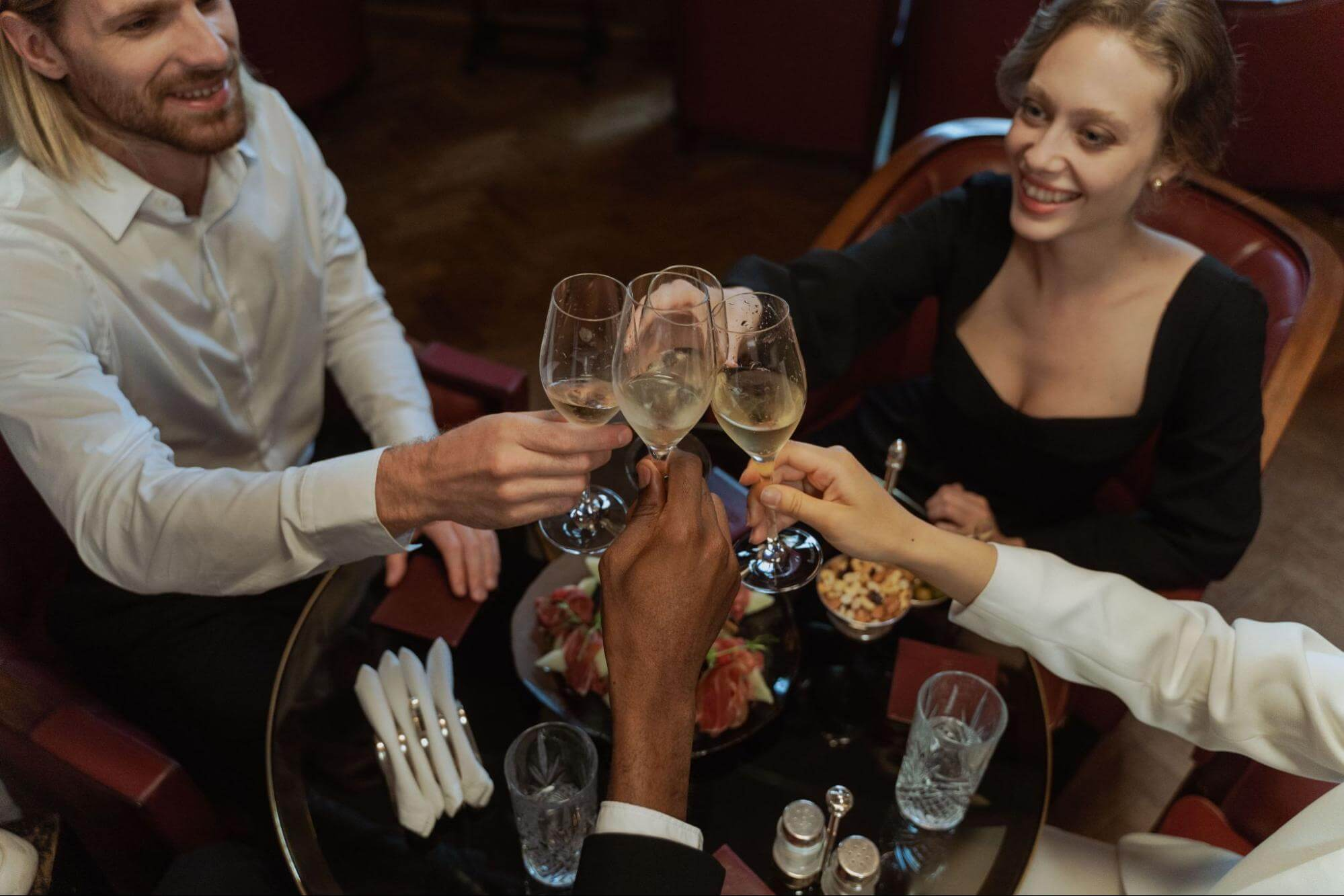
They build it the way reputations have always been built, only now with the added power of digital reach. The PR toolkit looks like this:
- Earned media: coverage in the publications your guests already trust.
- Thought leadership and expert positioning: putting your chef, founder, or team forward as voices worth listening to.
- Authentic storytelling: the origin, the craft, and the people, told in a way only your brand can tell it.
- Reviews and reputation: the everyday third-party proof that signals quality.
That last one carries real weight in hospitality and restaurant PR. Research shows that 94% of diners read online reviews before deciding where to eat, which means a brand’s reputation is doing the selling long before a guest ever walks in.
Take a celebrated property like our client Hotel Contessa, the AAA Four-Diamond, all-suite hotel tucked along the San Antonio River Walk. Beyond its art-filled suites, the hotel has woven itself into the fabric of the city, championing local artists and hosting art showcases, live music, and community-focused events that bring San Antonians and travelers together. That mix of glowing press, genuine community involvement, and real word of mouth has made it a name people seek out, not because it bought the most ads, but because it earned its place in the conversation.
How Do Restaurants Build Brand Awareness?
Restaurant PR turns a great meal into a known name. The food gets people in the door once, but brand authority is what makes the city remember you, recommend you, and return to you.
The brands that build lasting awareness tend to do a few things consistently:
- They get covered, earning features and mentions in trusted local and national outlets.
- They get talked about, encouraging reviews and word of mouth that travel far beyond their four walls.
- They tell their story, giving press, guests, and search tools a clear sense of what makes them distinct.
- They show up over time, treating reputation as something they build steadily rather than as something to chase in a panic.
Consider a Nashville favorite like our client The Pharmacy Burger Parlor & Beer Garden. Its made-from-scratch ethos and beer garden charm create the experience, but it’s the steady earned media and loyal word of mouth that have turned it into a brand visitors specifically look for. That is restaurant PR doing exactly what advertising cannot: building a reputation that recommends itself.
Why Does Brand Authority Matter So Much in Hospitality?
Because brand authority is the asset that keeps working, and because it now feeds the way people discover everything.
When a traveler asks an AI assistant for the best place to eat in a new city or a couple searches for a standout hotel, the answer is assembled from sources those tools trust. The brands with real authority, the ones surrounded by coverage, reviews, and credible mentions, are the ones that get surfaced. The brands relying on ad spend alone are largely invisible in that moment, because an ad budget is not something an AI tool can see or cite.
“Brand authority compounds in a way that ad spend never will,” says Emily. “Every piece of coverage, every great review, every story told well becomes a permanent part of your reputation. Years from now, that is still working for you. The ad you ran last quarter is long gone.”
How R Public Relations Helps Hospitality Brands Build Authority
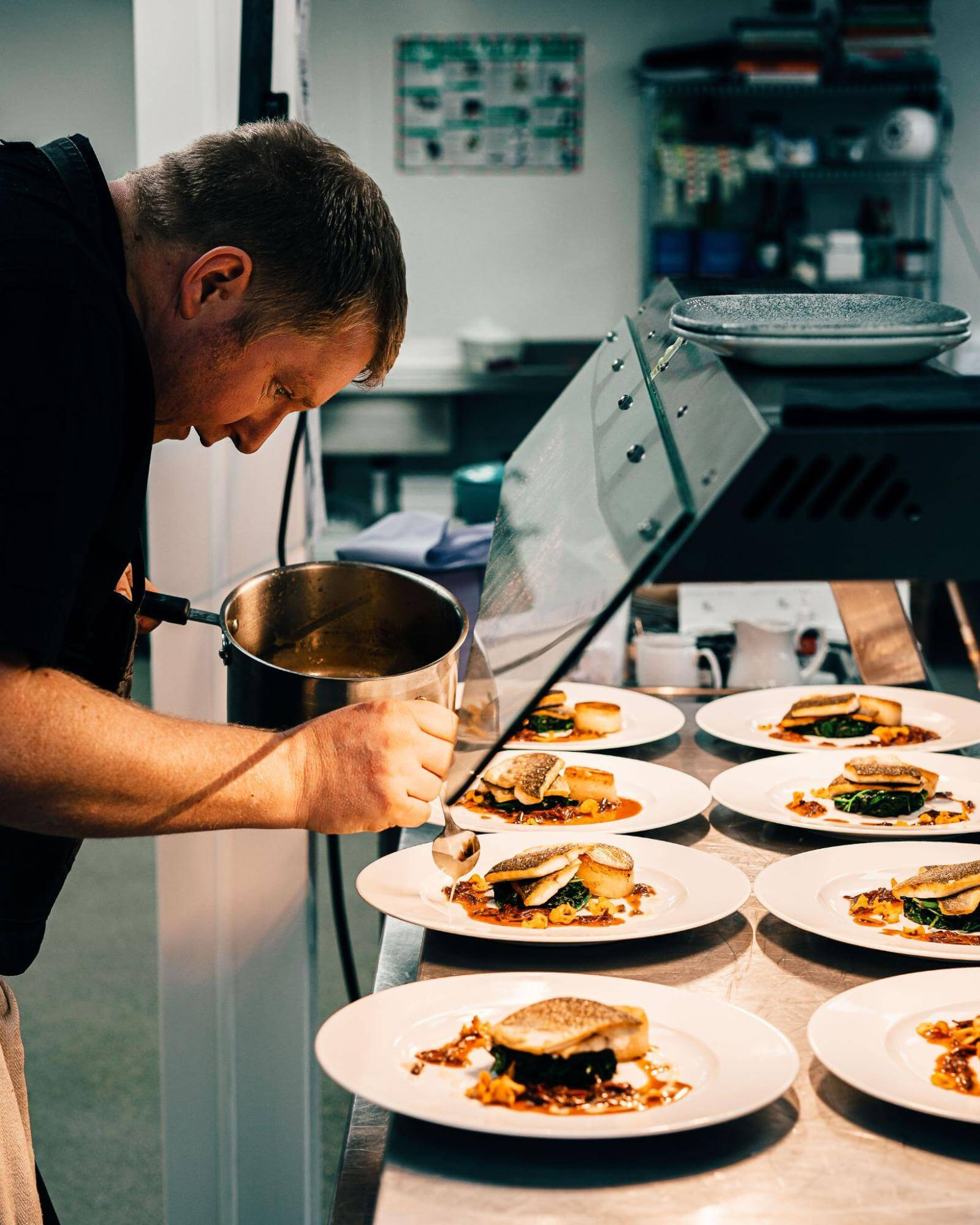
At RPR, hospitality is in our DNA. We have spent years helping restaurants, hotels, and lifestyle brands earn the coverage, reputation, and credibility that turn a great experience into a known name.
Our approach is built on brand authority, not noise. We help hospitality brands secure meaningful press, position their founders and chefs as trusted voices, tell stories worth sharing, and build the consistent third-party credibility that both guests and AI tools recognize. The result is visibility that doesn’t disappear the moment a campaign ends.
Remember those two restaurants at the start of this article? The quiet one and the packed one? The difference was never the size of the budget. It was whether the brand had earned a reputation worth talking about.
Let’s start building your brand authority. Schedule a discovery call with RPR today!
This is part three in our AI Search & Earned Media series. Want the full framework in one resource? Download the AI Search & Brand Visibility Playbook:
Check out our next blog in the series, What Restaurants, Hotels, and Lifestyle Brands Need to Know About AI-Driven Search